 EN
EN
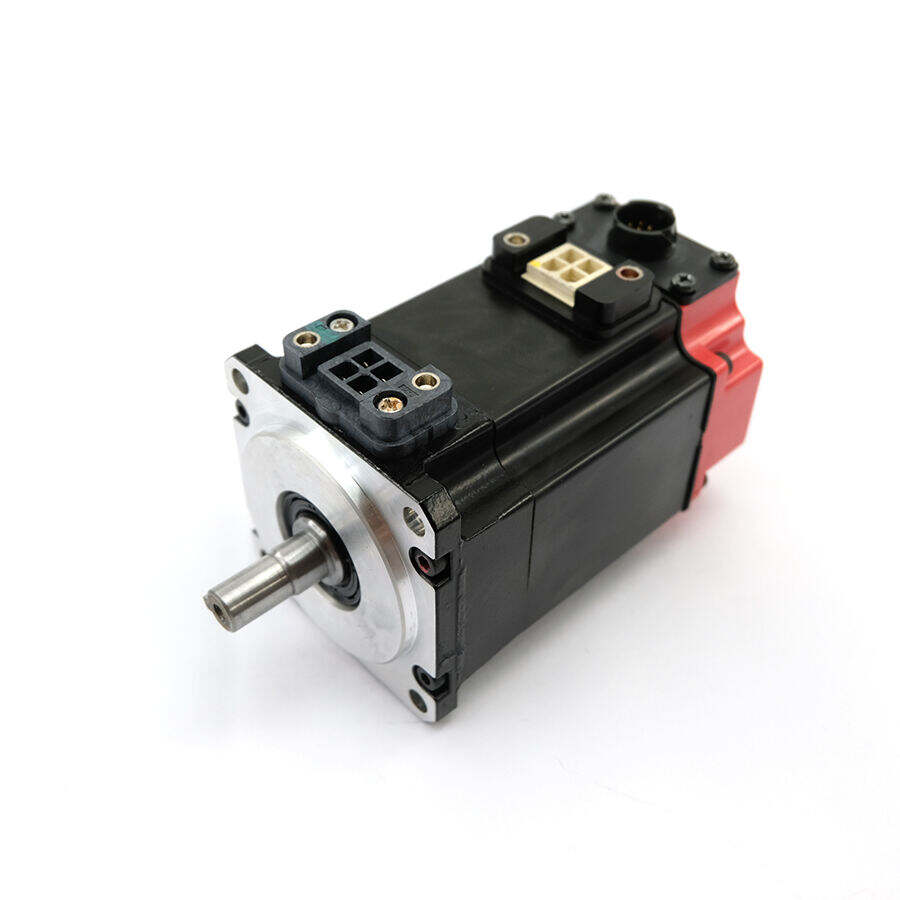
Removing a gear pump from a servo motor requires careful planning, proper tools, and a systematic approach to avoid damaging sensitive components. This process involves disconnecting hydraulic lines, removing mounting hardware, and safely extracting the pump assembly while maintaining the integrity of the servo motor system. Understanding the mechanical connections and hydraulic interfaces is crucial for successful servo motor gear pump removal.
Industrial servo motors coupled with gear pumps are common in hydraulic systems where precise control and reliable fluid delivery are essential. These integrated units combine the accuracy of servo positioning with the consistent flow characteristics of positive displacement pumps. Before attempting any disassembly, technicians must understand the specific configuration and manufacturer specifications for their particular servo motor and pump combination.
Safety Preparations and System Shutdown
Power Isolation and Lockout Procedures
Begin the servo motor gear pump removal process by completely isolating all electrical power sources to the servo motor. This includes disconnecting main power feeds, control signals, and any backup power systems. Implement proper lockout-tagout procedures according to your facility's safety protocols. Verify zero energy state using appropriate testing equipment before proceeding with mechanical work.
Allow sufficient time for the servo motor to cool down if it has been in operation. High-performance servo motors can generate significant heat during operation, and hot surfaces pose burn risks during maintenance. Check that all capacitors in the servo drive system have discharged completely, as they can retain dangerous voltage levels even after power disconnection.
Hydraulic System Depressurization
Hydraulic systems maintain pressure even when pumps are not running, making depressurization critical for safe maintenance. Locate all pressure relief valves and slowly release system pressure while monitoring gauges carefully. Collect hydraulic fluid in appropriate containers to prevent environmental contamination and facilitate system refilling after maintenance completion.
Document the hydraulic fluid type, viscosity grade, and cleanliness level before draining. This information ensures proper fluid selection during system reassembly and helps maintain optimal performance characteristics. Some servo motor applications require specific hydraulic fluids with particular additive packages for compatibility with precision components.
Tool Requirements and Equipment Setup
Specialized Tools for Servo Motor Work
Successful servo motor gear pump removal requires specialized tools designed for precision mechanical work. Essential tools include torque wrenches calibrated for the specific fastener requirements, alignment tools for maintaining shaft concentricity, and lifting equipment rated for the combined weight of the motor and pump assembly. Socket sets with both metric and imperial measurements accommodate various manufacturer specifications.
Hydraulic line removal requires appropriate wrenches and fittings tools to prevent damage to precision-machined connections. Flare nut wrenches provide better grip on hydraulic fittings compared to standard open-end wrenches, reducing the risk of rounding off fitting hexagons. Thread sealant removal tools and cleaning solvents help prepare connections for reassembly.
Measurement and Documentation Equipment
Digital calipers, micrometers, and dial indicators enable precise measurement of shaft dimensions, coupling tolerances, and alignment parameters during disassembly. Photographic documentation using high-resolution cameras captures connection orientations, wire routing, and component positioning before removal. This visual reference proves invaluable during reassembly processes.
Torque specification sheets and manufacturer service manuals provide critical reference information for proper fastener tightening sequences and values. Many servo motor manufacturers specify particular torque patterns for pump mounting bolts to ensure even stress distribution and prevent housing distortion.
Hydraulic Line Disconnection Procedures
Systematic Disconnection Sequence
Begin hydraulic line removal by identifying and labeling each connection point with permanent markers or tags. This labeling system prevents confusion during reassembly and ensures proper hydraulic circuit restoration. Start with pressure lines, followed by return lines, and finally any auxiliary connections such as drain or pilot lines.
Use proper techniques when loosening hydraulic fittings to prevent thread damage or seal destruction. Apply steady, controlled force rather than impact loading, which can cause sudden fitting failure or injury. Position drain pans strategically to capture residual hydraulic fluid that will drain from disconnected lines and pump ports.
Fitting Protection and Cleaning
Immediately cap or plug all disconnected hydraulic ports to prevent contamination entry and fluid leakage. Contamination is the leading cause of hydraulic system failures, making proper port protection essential during maintenance activities. Use appropriate plugs and caps designed for the specific thread types and pressure ratings involved.
Clean all disconnected fittings and inspect threads for damage or wear. Replace any fittings showing signs of corrosion, cross-threading, or excessive wear. Document fitting conditions and replacement requirements for procurement planning during the maintenance window.
Mechanical Coupling Removal
Coupling Type Identification and Removal
Servo motors use various coupling types to connect with gear pumps, including flexible disc couplings, jaw couplings, and rigid shaft couplings. Each type requires specific removal procedures to prevent damage to precision shaft surfaces. Identify the coupling type and consult manufacturer specifications for proper removal techniques.
Flexible couplings often use compression fittings or set screws that require careful loosening to prevent shaft scoring. Mark coupling orientation relative to both the servo motor shaft and pump input shaft before removal. This orientation marking ensures proper torque transmission and minimizes vibration when the system is reassembled.
Shaft Protection During Removal
Servo motor shafts are precision-machined components that require protection during coupling removal and pump extraction. Use appropriate pullers and support fixtures to prevent bending forces on the servo motor shaft. Never use impact tools directly on servo motor shafts, as shock loading can damage internal bearing systems and position feedback devices.
Apply penetrating oil to seized or corroded coupling components well in advance of removal attempts. Allow sufficient time for the penetrant to work into tight spaces and break down corrosion products. Heat application may help with stubborn couplings, but temperature limits must be observed to prevent damage to servo motor components.
Pump Mounting Hardware Removal
Systematic Fastener Removal
Remove pump mounting bolts in a systematic pattern to prevent housing distortion and binding during extraction. Start by loosening all bolts slightly in a cross-pattern, then progressively remove them completely in the same sequence. This approach prevents uneven stress distribution that could jam the pump housing or damage mating surfaces.
Document the length, thread pitch, and grade of each mounting bolt for proper replacement selection. Different positions may use bolts of varying lengths to accommodate internal component clearances. Mixing up bolt positions during reassembly can lead to internal interference or insufficient clamping force.
Housing Separation Techniques
Some gear pumps fit tightly into servo motor mounting flanges due to precision tolerances and potential corrosion buildup. Use appropriate separation techniques such as gentle prying with soft-face tools or mechanical pullers designed for the specific pump configuration. Avoid using hardened steel pry bars that can damage precision-machined surfaces.
Apply even extraction force to prevent pump housing distortion or seal damage. Uneven forces can cock the pump in its mounting bore, causing binding and potentially damaging both the pump housing and motor mounting surface. Support the pump weight during extraction to prevent dropping or impact damage.
Extraction and Component Handling
Safe Lifting and Support Methods
Plan lifting operations carefully considering the combined weight and balance point of the gear pump assembly. Use appropriate lifting equipment with adequate capacity margins and proper rigging techniques. Some servo motor gear pump removal operations require overhead cranes or specialized lifting fixtures to handle awkward shapes and weight distributions safely.
Position the extracted pump on clean, protected surfaces to prevent contamination and damage during inspection or storage. Use appropriate supports to prevent housing distortion from the pump's own weight. Drain remaining hydraulic fluid completely and cap all ports immediately after extraction.
Component Inspection and Documentation
Conduct thorough visual inspections of both the extracted pump and the servo motor mounting surfaces immediately after separation. Look for signs of wear, corrosion, seal leakage, or mechanical damage that might indicate underlying system problems. Document findings with photographs and written descriptions for maintenance records.
Measure critical dimensions such as shaft diameters, mounting bolt hole positions, and sealing surface conditions. Compare measurements against manufacturer specifications to determine if components meet tolerance requirements for continued service. This data supports decisions about repair versus replacement during the maintenance process.
Post-Removal Procedures and System Protection
Servo Motor Protection Measures
Protect the exposed servo motor shaft and mounting surfaces from contamination and physical damage during the maintenance period. Install temporary shaft protectors and cover mounting surfaces with clean protective materials. Contamination introduced during maintenance can cause premature bearing failure and reduced servo motor performance.
Monitor environmental conditions around the exposed servo motor, particularly humidity and temperature variations that could cause condensation formation. Some servo motors include moisture-sensitive components such as optical encoders that require protection from humidity exposure during extended maintenance periods.
Documentation and Planning
Create comprehensive documentation of the removal process including photographs, measurements, and component conditions. This documentation supports troubleshooting efforts, helps identify root causes of problems, and provides valuable reference information for future maintenance activities. Include details about any deviations from standard procedures or unexpected conditions encountered.
Develop a detailed reassembly plan that addresses component preparation, replacement part requirements, and proper installation sequences. Consider factors such as seal replacement, hydraulic fluid specifications, and system commissioning procedures needed to restore full operational capability after maintenance completion.
FAQ
What safety precautions are most critical when removing a gear pump from a servo motor?
The most critical safety precautions include complete electrical isolation with proper lockout-tagout procedures, full hydraulic system depressurization, and allowing adequate cooling time for hot components. Always verify zero energy state before beginning mechanical work and use appropriate personal protective equipment including safety glasses and hydraulic-resistant gloves. Never bypass safety procedures to save time, as the consequences of accidents far outweigh any schedule pressures.
How can I prevent damage to the servo motor shaft during pump removal?
Prevent servo motor shaft damage by using appropriate pullers and support fixtures rather than impact tools, marking coupling orientations before removal, and applying steady controlled forces during extraction. Never strike the servo motor shaft directly or apply excessive side loads that could damage internal bearings. Use penetrating oils and heat judiciously to free seized components, always staying within manufacturer temperature limits for servo motor components.
What should I do if the gear pump appears stuck in the mounting flange?
If the gear pump appears stuck, first verify that all mounting hardware has been completely removed and check for any hidden fasteners or locating pins. Apply appropriate penetrating oils and allow time for them to work into tight spaces. Use mechanical pullers designed for the specific pump configuration rather than pry bars, and apply extraction force evenly to prevent housing distortion. Heat application may help, but avoid exceeding temperature limits that could damage seals or servo motor components.
How do I ensure proper reassembly after completing the gear pump removal?
Ensure proper reassembly by maintaining detailed photographic documentation of all connections and orientations before removal, cleaning all mating surfaces thoroughly, and replacing seals and gaskets as required. Follow manufacturer torque specifications and tightening sequences for all fasteners, and verify shaft alignment using appropriate measuring tools. Test system functionality gradually during commissioning, checking for proper pressure, flow, and servo motor performance before returning to full operational status.
Table of Contents
- Safety Preparations and System Shutdown
- Tool Requirements and Equipment Setup
- Hydraulic Line Disconnection Procedures
- Mechanical Coupling Removal
- Pump Mounting Hardware Removal
- Extraction and Component Handling
- Post-Removal Procedures and System Protection
-
FAQ
- What safety precautions are most critical when removing a gear pump from a servo motor?
- How can I prevent damage to the servo motor shaft during pump removal?
- What should I do if the gear pump appears stuck in the mounting flange?
- How do I ensure proper reassembly after completing the gear pump removal?