 EN
EN
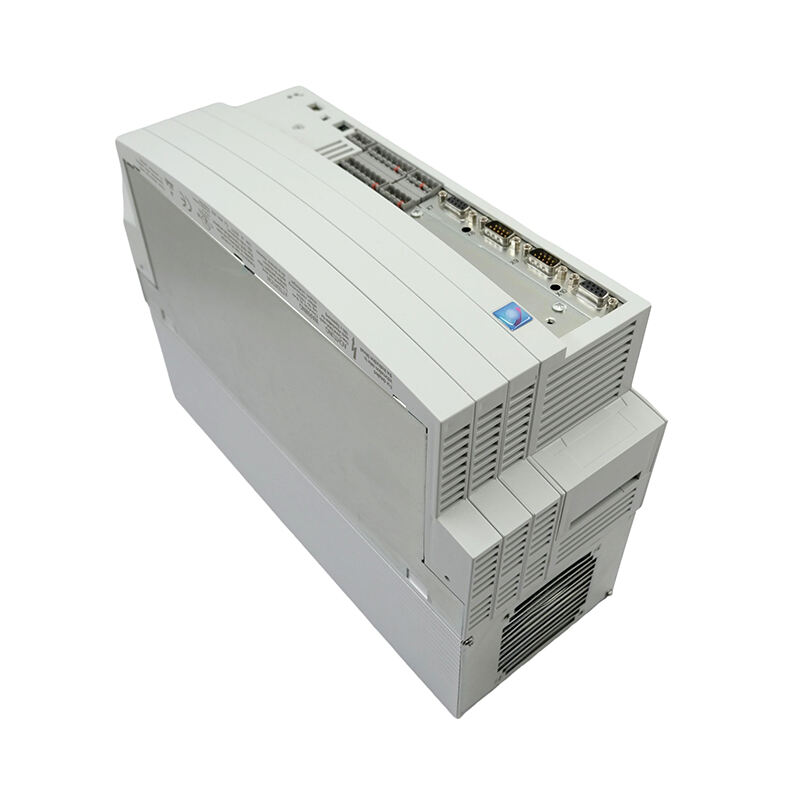
Inverter voltage fluctuation represents one of the most critical challenges facing industrial operations today, directly impacting equipment performance, energy efficiency, and operational reliability. As manufacturing processes become increasingly automated and dependent on precise electrical control systems, understanding the root causes and mitigation strategies for inverter voltage fluctuation becomes essential for maintaining optimal production environments. Modern industrial facilities rely heavily on variable frequency drives and power conversion systems that can be severely affected by voltage instability, leading to costly downtime and equipment damage.
Understanding the Fundamentals of Voltage Fluctuation in Inverter Systems
Primary Causes of Voltage Instability
Voltage fluctuation in inverter systems stems from multiple interconnected factors that can significantly impact industrial operations. Power grid instability represents the most common external cause, where utility supply variations create cascading effects throughout connected equipment. Load variations within the facility also contribute substantially to voltage irregularities, particularly when large motors start up or shut down simultaneously. Additionally, harmonic distortion generated by non-linear loads creates voltage distortion that propagates through the electrical distribution system.
Environmental factors play an equally important role in voltage stability challenges. Temperature variations affect component performance and resistance values, while humidity levels can influence insulation properties and create leakage currents. Electromagnetic interference from nearby equipment or external sources can induce voltage transients that disrupt normal inverter operation. Understanding these fundamental causes enables engineers to develop comprehensive mitigation strategies that address both immediate symptoms and underlying root causes.
Impact on Industrial Equipment Performance
The consequences of uncontrolled voltage fluctuation extend far beyond simple operational inconvenience, creating measurable impacts on equipment lifespan and production efficiency. Motors operating under fluctuating voltage conditions experience increased heating, reduced torque output, and accelerated bearing wear. Control systems may malfunction or require frequent recalibration when subjected to voltage instability, leading to product quality issues and increased maintenance requirements.
Economic implications become particularly significant when considering the cumulative effects of voltage-related problems. Energy consumption typically increases under fluctuating voltage conditions, as equipment operates less efficiently and may require additional cooling or compensation mechanisms. Production throughput often decreases due to equipment derating or protective shutdowns triggered by voltage variations. These factors combine to create substantial hidden costs that can significantly impact overall operational profitability.
Advanced Detection and Monitoring Technologies
Real-Time Voltage Monitoring Systems
Modern voltage monitoring technologies provide unprecedented visibility into electrical system performance, enabling proactive identification of fluctuation patterns before they cause equipment damage. High-resolution power quality analyzers can capture voltage variations as brief as microseconds, providing detailed insights into transient events that traditional monitoring might miss. These systems typically feature configurable alarm thresholds that alert operators to developing problems while there is still time for corrective action.
Integration with facility management systems allows for comprehensive data analysis and trend identification across multiple monitoring points. Historical data collection enables engineers to correlate voltage events with operational activities, weather conditions, and maintenance schedules. This information proves invaluable for developing predictive maintenance programs and optimizing equipment operating parameters to minimize vulnerability to voltage disturbances.
Diagnostic Tools and Analysis Techniques
Sophisticated diagnostic equipment enables detailed analysis of voltage waveforms and identification of specific disturbance characteristics. Harmonic analyzers can identify frequency components that contribute to voltage distortion, while oscilloscopes provide high-resolution views of transient events. Spectrum analyzers help identify electromagnetic interference sources and their frequency signatures, enabling targeted mitigation efforts.
Advanced software tools complement hardware monitoring by providing automated analysis capabilities and standardized reporting formats. Machine learning algorithms can identify subtle patterns in voltage data that might indicate developing problems or equipment degradation. These analytical capabilities enable maintenance teams to prioritize interventions based on actual risk levels rather than predetermined schedules, optimizing both equipment reliability and maintenance costs.
Effective Mitigation Strategies and Solutions
Hardware-Based Protection Methods
Implementing robust hardware protection requires a multi-layered approach that addresses different types of voltage disturbances through specialized equipment. Voltage regulators provide continuous adjustment of supply voltage to maintain stable levels despite input variations, while uninterruptible power supplies offer complete isolation from grid disturbances during critical operations. Line reactors and harmonic filters help reduce the impact of non-linear loads on system voltage quality.
Surge protection devices play a crucial role in protecting against transient overvoltages that can damage sensitive inverter components. Proper grounding systems ensure that fault currents have safe paths to ground while minimizing ground loop interference. Isolation transformers can provide galvanic separation between sensitive loads and potentially problematic supply circuits, eliminating many common mode interference issues that contribute to inverter voltage fluctuation.
Software and Control System Enhancements
Modern inverter control algorithms incorporate sophisticated voltage compensation techniques that can automatically adjust operating parameters in response to supply voltage variations. Adaptive control systems continuously monitor input conditions and modify switching patterns to maintain consistent output characteristics despite input fluctuations. These systems can often compensate for voltage variations of ten percent or more without requiring additional hardware.
Programmable logic controllers and distributed control systems can coordinate multiple pieces of equipment to minimize the collective impact of load variations on system voltage. Load sequencing prevents multiple large loads from starting simultaneously, while power factor correction systems maintain optimal reactive power balance. Communication protocols enable real-time coordination between protection devices and process equipment, ensuring that protective actions do not unnecessarily disrupt production processes.
Industry-Specific Considerations and Best Practices
Manufacturing and Process Industries
Manufacturing environments present unique challenges for voltage stability due to the diversity of electrical loads and the critical nature of many processes. Precision machining operations require exceptionally stable voltage supplies to maintain dimensional accuracy, while chemical processes may be sensitive to even minor voltage variations that affect pump speeds or heating element performance. Coordination between production scheduling and electrical system management becomes essential for maintaining both product quality and equipment reliability.
Best practices in manufacturing environments emphasize preventive measures and systematic approaches to voltage quality management. Regular power quality audits help identify potential problems before they impact production, while standardized equipment specifications ensure compatibility across different system components. Training programs for maintenance personnel ensure that voltage-related issues are properly diagnosed and addressed using appropriate techniques and safety procedures.
Critical Infrastructure and Healthcare Applications
Critical infrastructure applications demand the highest levels of voltage stability due to safety implications and regulatory requirements. Healthcare facilities must maintain uninterrupted power to life-support equipment, while data centers require stable voltage to prevent data loss and equipment damage. Emergency backup systems must be designed to seamlessly transition between different power sources without creating voltage transients that could affect sensitive equipment.
Compliance with industry standards and regulatory requirements adds additional complexity to voltage management in these applications. Regular testing and documentation procedures ensure that protection systems remain functional and meet applicable standards. Redundant monitoring systems provide backup capabilities in case primary monitoring equipment fails, while standardized response procedures enable rapid resolution of voltage-related issues.
Future Trends and Emerging Technologies
Smart Grid Integration and Communication
The evolution toward smart grid technologies promises significant improvements in voltage stability through enhanced communication and coordination capabilities. Advanced metering infrastructure enables real-time monitoring of voltage conditions across entire distribution networks, while automated switching systems can quickly isolate problems and reroute power through alternative paths. Demand response programs allow facilities to automatically adjust their electrical loads in response to grid conditions, reducing stress on the distribution system.
Integration with renewable energy sources introduces new challenges and opportunities for voltage management. Energy storage systems can provide rapid response to voltage fluctuations while also storing excess energy during periods of stable supply. Microgrids enable local control of voltage conditions while maintaining the ability to connect to the broader electrical grid when beneficial. These technologies require sophisticated control systems that can manage multiple energy sources and loads while maintaining optimal voltage stability.
Artificial Intelligence and Predictive Analytics
Artificial intelligence technologies are increasingly being applied to voltage management challenges, offering capabilities that exceed traditional monitoring and control approaches. Machine learning algorithms can identify complex patterns in electrical system behavior that predict voltage problems before they occur. Predictive analytics enable optimization of maintenance schedules and equipment replacement timing based on actual voltage stress levels rather than theoretical calculations.
Neural networks can learn the specific characteristics of individual facilities and adapt protection strategies accordingly. Digital twins of electrical systems enable testing of different scenarios and optimization strategies without risking actual equipment. These advanced technologies promise to revolutionize voltage management by enabling proactive rather than reactive approaches to system protection and optimization.
FAQ
What are the most common symptoms of voltage fluctuation in industrial settings
The most recognizable symptoms include motor speed variations, flickering lights, unexpected equipment shutdowns, and increased electrical noise. Control systems may experience erratic behavior, sensors may provide inconsistent readings, and protective devices might trip without apparent cause. Equipment may also exhibit increased heating, reduced efficiency, and premature component failures when subjected to ongoing voltage instability.
How can facilities determine if their voltage fluctuation problems require professional intervention
Professional intervention becomes necessary when voltage variations exceed equipment tolerance specifications, occur frequently enough to impact production, or cause repeated equipment failures. Facilities should also seek professional help if voltage problems appear to be worsening over time, affect critical safety systems, or occur alongside other electrical anomalies. Power quality measurements exceeding industry standards typically indicate the need for comprehensive system evaluation and remediation.
What is the typical cost impact of unaddressed voltage fluctuation issues
Unaddressed voltage problems can increase energy costs by five to fifteen percent due to reduced equipment efficiency and increased cooling requirements. Equipment replacement costs may increase by twenty to fifty percent due to accelerated wear and premature failures. Production losses from voltage-related downtime often represent the largest cost component, potentially reaching hundreds of thousands of dollars annually for medium to large industrial facilities.
How do modern inverter systems differ in their susceptibility to voltage fluctuation
Modern inverter systems typically incorporate better input filtering and voltage regulation capabilities compared to older designs, making them more resilient to minor voltage variations. However, they may be more sensitive to certain types of disturbances such as harmonic distortion and high-frequency noise. Advanced inverters often include programmable parameters that allow customization of voltage tolerance ranges and response characteristics to match specific application requirements.
Table of Contents
- Understanding the Fundamentals of Voltage Fluctuation in Inverter Systems
- Advanced Detection and Monitoring Technologies
- Effective Mitigation Strategies and Solutions
- Industry-Specific Considerations and Best Practices
- Future Trends and Emerging Technologies
-
FAQ
- What are the most common symptoms of voltage fluctuation in industrial settings
- How can facilities determine if their voltage fluctuation problems require professional intervention
- What is the typical cost impact of unaddressed voltage fluctuation issues
- How do modern inverter systems differ in their susceptibility to voltage fluctuation