 EN
EN
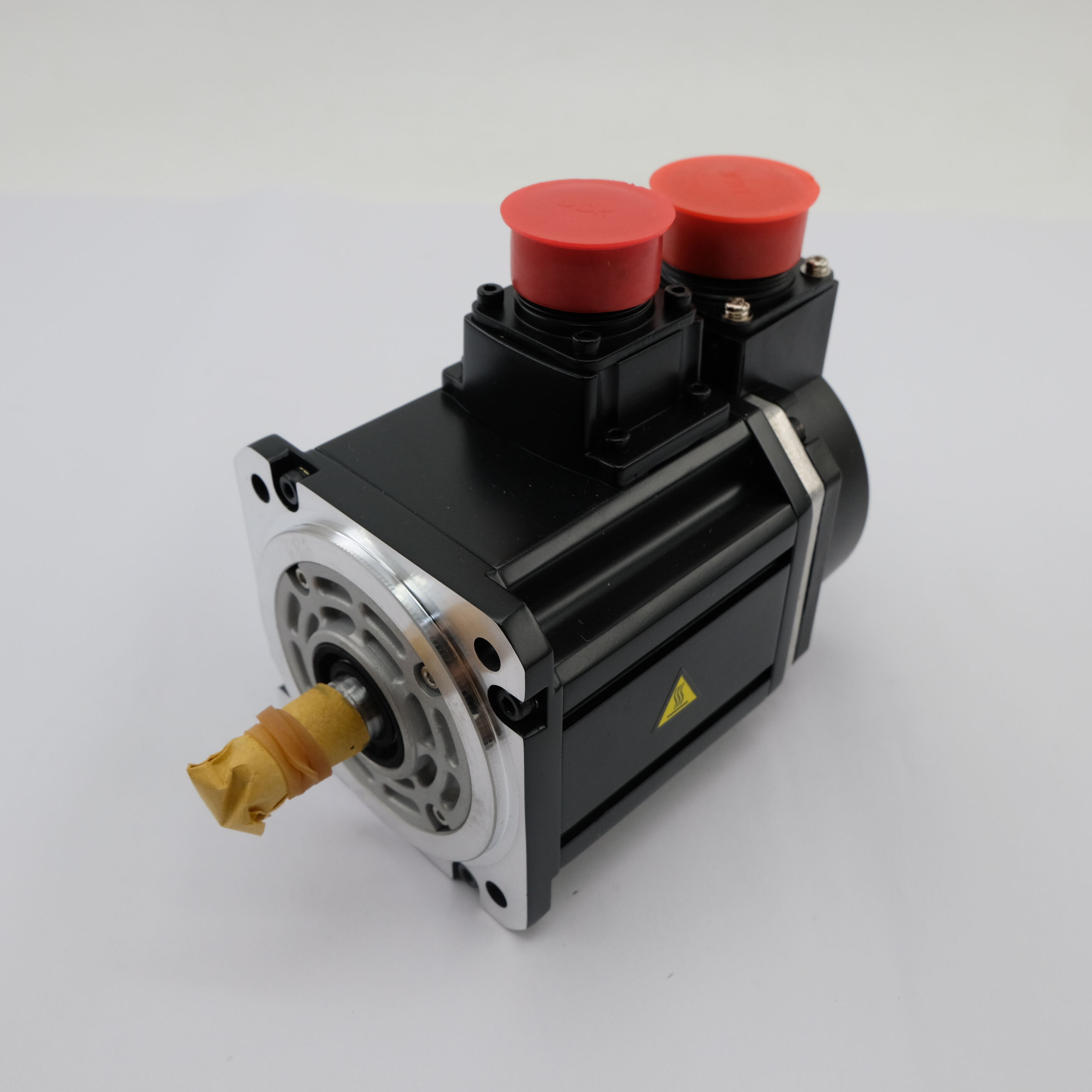
Industrial automation systems rely heavily on precise motion control components to achieve optimal performance and reliability. When evaluating servo motors and joysticks for your applications, understanding the technical specifications and compatibility requirements becomes crucial for successful implementation. These components form the backbone of modern manufacturing processes, robotics systems, and automated machinery where accuracy and responsiveness are paramount.
The selection process involves analyzing multiple factors including torque requirements, speed capabilities, feedback systems, and environmental conditions. Modern servo motors incorporate advanced technologies such as permanent magnet synchronous designs and high-resolution encoders that provide exceptional positioning accuracy. These systems must work seamlessly with control interfaces like joysticks to ensure operator comfort and system responsiveness.
Understanding Servo Motor Technologies
Permanent Magnet Synchronous Design
Contemporary servo motors utilize permanent magnet synchronous motor technology to deliver superior performance characteristics compared to traditional brushed designs. This technology eliminates the need for carbon brushes, significantly reducing maintenance requirements while increasing operational lifespan. The permanent magnet rotor creates a strong magnetic field that interacts efficiently with the stator windings, resulting in high power density and excellent speed regulation.
The synchronous operation ensures that the rotor speed remains directly proportional to the supply frequency, providing predictable and stable motion control. These motors typically feature rare earth magnets such as neodymium-iron-boron, which maintain their magnetic properties across wide temperature ranges and resist demagnetization under normal operating conditions.
Encoder Feedback Systems
High-resolution encoders integrated within servo motors provide precise position and velocity feedback to the control system. Absolute encoders retain position information even after power loss, eliminating the need for homing sequences upon startup. Incremental encoders offer cost-effective solutions for applications where relative position information is sufficient, typically providing resolution ranging from 1,000 to over 1,000,000 counts per revolution.
The feedback system directly impacts the servo motor's ability to maintain accurate positioning and respond quickly to command changes. Advanced encoder technologies include optical, magnetic, and capacitive sensing methods, each offering specific advantages for different operating environments and accuracy requirements.
Joystick Interface Considerations
Analog versus Digital Control
Joystick interfaces for servo motor control systems are available in both analog and digital configurations, each offering distinct advantages for specific applications. Analog joysticks provide continuous voltage output proportional to stick deflection, allowing for smooth and intuitive speed control. These devices typically output signals in standard ranges such as 0-10V or ±10V, making them compatible with most servo drive systems.
Digital joysticks incorporate microprocessors and communication protocols like CAN bus, Ethernet, or proprietary networks to transmit position and command data. These systems offer enhanced functionality including programmable response curves, button integration, and diagnostic capabilities. The digital approach provides greater immunity to electrical noise and allows for more sophisticated control algorithms.
Ergonomic and Environmental Factors
Operator comfort and environmental durability are critical considerations when selecting joystick controllers for industrial applications. Ergonomic design principles ensure reduced operator fatigue during extended use periods, while proper button placement and grip design contribute to operational safety and efficiency. The joystick handle geometry, spring return characteristics, and dead zone specifications all influence operator experience and system performance.
Environmental protection ratings such as IP65 or IP67 ensure reliable operation in harsh industrial conditions including dust, moisture, and temperature extremes. Sealed construction prevents contamination while maintaining smooth operation and tactile feedback quality throughout the product lifecycle.
System Integration and Compatibility
Drive System Requirements
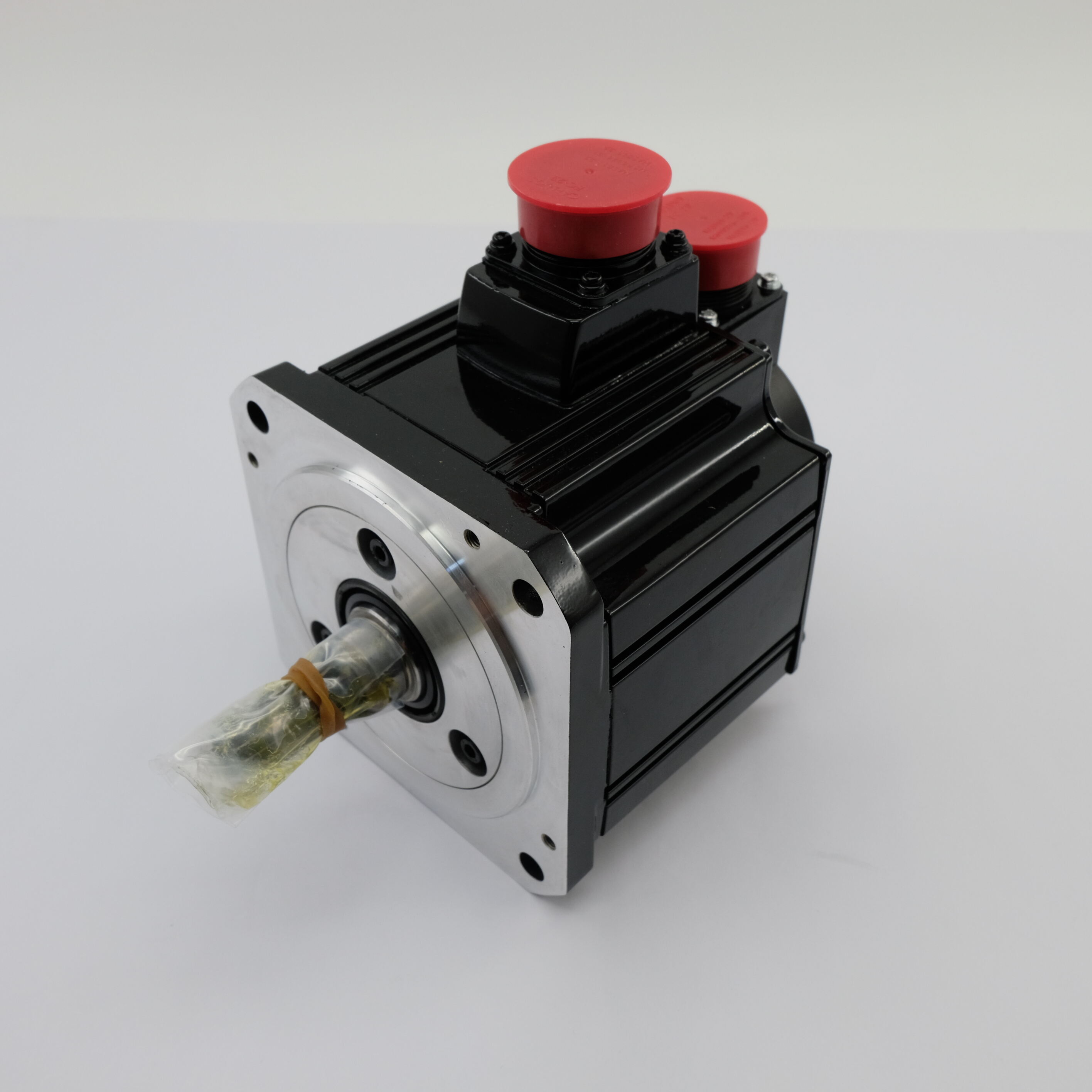
Successful integration of servo motors with joystick controllers requires careful consideration of drive system specifications and communication protocols. Modern servo drives accept various input signal types including analog voltage, current loops, and digital communication networks. The drive system must provide appropriate power amplification while maintaining precise control over motor speed, torque, and position.
Power requirements vary significantly based on application demands, with considerations including continuous and peak torque requirements, speed ranges, and duty cycle characteristics. The drive system must also provide protection features such as overcurrent detection, thermal monitoring, and emergency stop functionality to ensure safe operation.
Control Architecture Design
The overall control architecture determines how joystick commands are processed and transmitted to servo motor drives. Centralized control systems utilize programmable logic controllers or industrial computers to process joystick inputs and generate appropriate motor commands. Distributed control architectures may incorporate intelligent servo drives that directly process joystick signals, reducing wiring complexity and improving response times.
Safety system integration requires consideration of emergency stop circuits, enabling signals, and fault detection mechanisms. The control architecture must ensure fail-safe operation while providing operators with clear status indication and diagnostic information. Proper grounding and shielding practices become essential for maintaining signal integrity and preventing electromagnetic interference.
Performance Optimization Strategies
Tuning and Calibration
Optimal performance from servo motor and joystick combinations requires systematic tuning of control parameters including proportional, integral, and derivative gains. The tuning process involves adjusting these parameters to achieve desired response characteristics while maintaining system stability. Auto-tuning functions available in modern servo drives can accelerate this process by automatically determining optimal parameter sets based on system identification algorithms.
Calibration procedures ensure accurate correlation between joystick position and motor response, accounting for mechanical backlash, electrical offsets, and non-linearities in the system. Regular calibration verification maintains system accuracy and helps identify component wear or drift over time.
Maintenance and Monitoring
Preventive maintenance programs for servo motors and joystick systems focus on monitoring key performance indicators and replacing wear components before failure occurs. Temperature monitoring, vibration analysis, and electrical parameter tracking provide early warning signs of potential issues. Encoder signal quality assessment helps identify bearing wear or contamination that could affect position accuracy.
Condition monitoring systems can automatically track performance metrics and alert maintenance personnel when parameters exceed acceptable ranges. This proactive approach minimizes unplanned downtime while extending equipment lifespan through optimal maintenance timing.
FAQ
What factors determine servo motor selection for joystick-controlled applications
Servo motor selection depends on several key factors including required torque output, speed range, positioning accuracy, and environmental conditions. The application's duty cycle characteristics and load inertia also influence motor sizing calculations. Additionally, feedback system requirements, communication protocol compatibility, and available mounting space must be considered during the selection process.
How do analog and digital joysticks differ in terms of control precision
Analog joysticks provide continuous control signals that allow for smooth speed variation and intuitive operator control, making them ideal for applications requiring fine motion control. Digital joysticks offer enhanced precision through programmable response curves and eliminate signal degradation over long cable runs, but may introduce slight delays due to communication protocol processing times.
What safety considerations apply to servo motor and joystick systems
Safety systems must include emergency stop circuits, enabling devices, and proper fault detection mechanisms. The joystick should incorporate dead-man switches or enable buttons to prevent unintended motion. Additionally, servo drives should provide comprehensive protection features including overcurrent detection, thermal monitoring, and safe torque-off functionality to ensure operator and equipment safety.
How often should servo motor and joystick systems undergo maintenance
Maintenance frequency depends on operating conditions and usage intensity, but typically ranges from quarterly to annual inspections. High-duty cycle applications may require more frequent attention, while systems operating in clean environments with moderate usage can extend maintenance intervals. Key maintenance activities include encoder signal verification, connection inspection, and performance parameter monitoring to detect gradual degradation before failures occur.