 EN
EN
Industrial automation systems rely heavily on precision feedback mechanisms to ensure accurate positioning and control. When FANUC servo motors experience encoder failures, production efficiency and operational reliability become compromised. Understanding the replacement process for incremental rotary encoders in FANUC servo motor systems is essential for maintenance engineers and automation technicians. These critical components provide real-time position feedback, enabling precise motion control across various manufacturing applications. The replacement of a FANUC servo motor encoder requires careful attention to compatibility, calibration procedures, and proper installation techniques to restore optimal system performance.
Understanding FANUC Servo Motor Encoder Technology
Incremental Encoder Operating Principles
Incremental rotary encoders function by generating pulse signals that correspond to incremental shaft rotation. The FANUC servo motor encoder utilizes optical sensing technology to detect position changes through a coded disk pattern. This feedback system enables the servo amplifier to maintain precise position control by comparing commanded positions with actual motor shaft positions. The encoder generates quadrature signals that provide both position information and rotational direction data to the control system.
Modern FANUC servo systems integrate high-resolution encoders capable of delivering exceptional positioning accuracy. These devices typically feature pulse counts ranging from 1000 to 2,000,000 pulses per revolution, depending on application requirements. The encoder signals are processed by the servo amplifier to calculate velocity, acceleration, and position parameters essential for closed-loop motion control. Understanding these fundamental operating principles is crucial for successful encoder replacement procedures.
Common Encoder Failure Modes
Several factors can contribute to FANUC servo motor encoder failure, including environmental contamination, mechanical wear, and electrical interference. Dust, moisture, and temperature fluctuations can degrade optical components within the encoder assembly. Mechanical vibrations and shock loads may cause misalignment or damage to the encoder disk or sensing elements. These failure modes typically manifest as position errors, erratic motor behavior, or complete loss of feedback signals.
Diagnostic procedures for encoder problems involve monitoring alarm codes generated by the FANUC control system. Common alarm indicators include position deviation errors, encoder fault warnings, and servo ready signal failures. Systematic troubleshooting approaches help identify whether the issue originates from the encoder itself, wiring connections, or servo amplifier components. Early detection of encoder degradation prevents catastrophic system failures and minimizes production downtime.
Replacement Planning and Component Selection
Compatibility Assessment
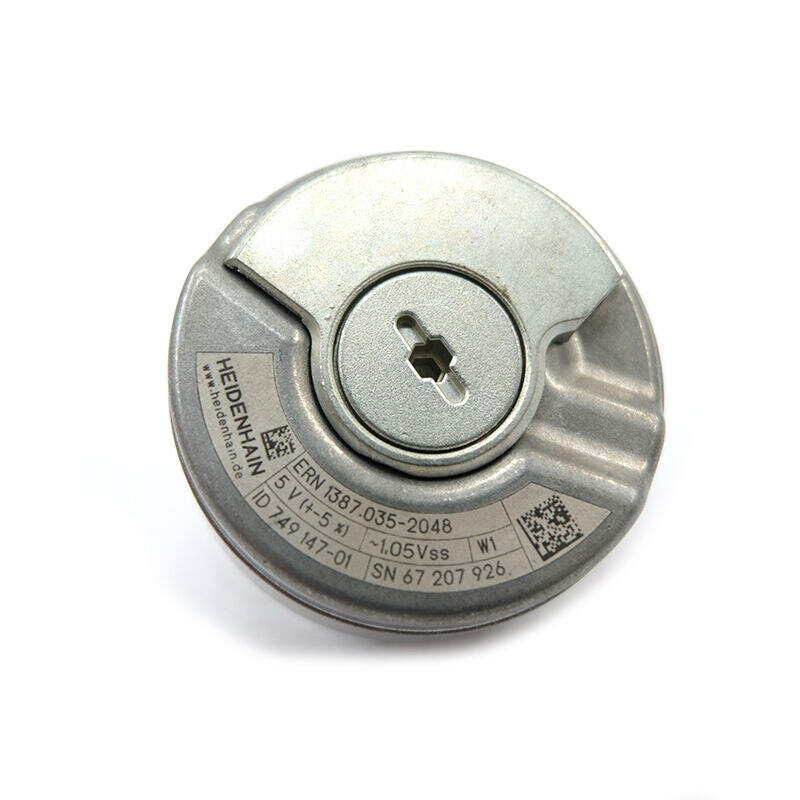
Proper replacement of a FANUC servo motor encoder begins with accurate identification of the existing encoder specifications. Motor model numbers, encoder part numbers, and system documentation provide essential information for selecting compatible replacement components. The FANUC servo motor encoder must match the original specifications including pulse count, output signal format, and mechanical mounting dimensions to ensure seamless integration.
Verification of electrical interface requirements includes checking voltage levels, signal types, and connector configurations. Different FANUC servo motor generations may utilize varying encoder technologies such as absolute or incremental types. Cable lengths, shielding requirements, and grounding specifications must also align with system design parameters. Comprehensive compatibility assessment prevents installation problems and ensures optimal system performance after replacement.
Procurement Considerations
Sourcing replacement encoders for FANUC servo motors involves evaluating supplier reliability, component authenticity, and delivery timeframes. Original equipment manufacturer parts typically provide the highest compatibility assurance but may involve extended lead times and higher costs. Alternative suppliers offering compatible encoders can provide cost-effective solutions while maintaining performance standards. Quality certifications and warranty coverage should be considered when evaluating procurement options.
Inventory management strategies for critical encoder components help minimize production disruptions during unexpected failures. Maintaining spare FANUC servo motor encoder units for high-usage systems reduces replacement downtime and associated production losses. Documentation of encoder specifications, installation procedures, and calibration parameters supports efficient maintenance operations and knowledge transfer among technical personnel.
Installation Procedures and Best Practices
Pre-Installation Safety Measures
Safe replacement of FANUC servo motor encoder components requires adherence to established lockout procedures and electrical safety protocols. Power isolation of servo amplifiers and associated control systems prevents accidental energization during maintenance activities. Proper use of personal protective equipment and adherence to facility safety guidelines protects maintenance personnel from electrical hazards and mechanical injuries during encoder replacement procedures.
Environmental considerations include maintaining clean working conditions to prevent contamination of sensitive encoder components. Electrostatic discharge protection measures safeguard electronic components from damage during handling and installation. Temperature and humidity control in work areas helps preserve encoder integrity and ensures optimal installation conditions. These preliminary safety measures establish the foundation for successful encoder replacement operations.
Mechanical Installation Techniques
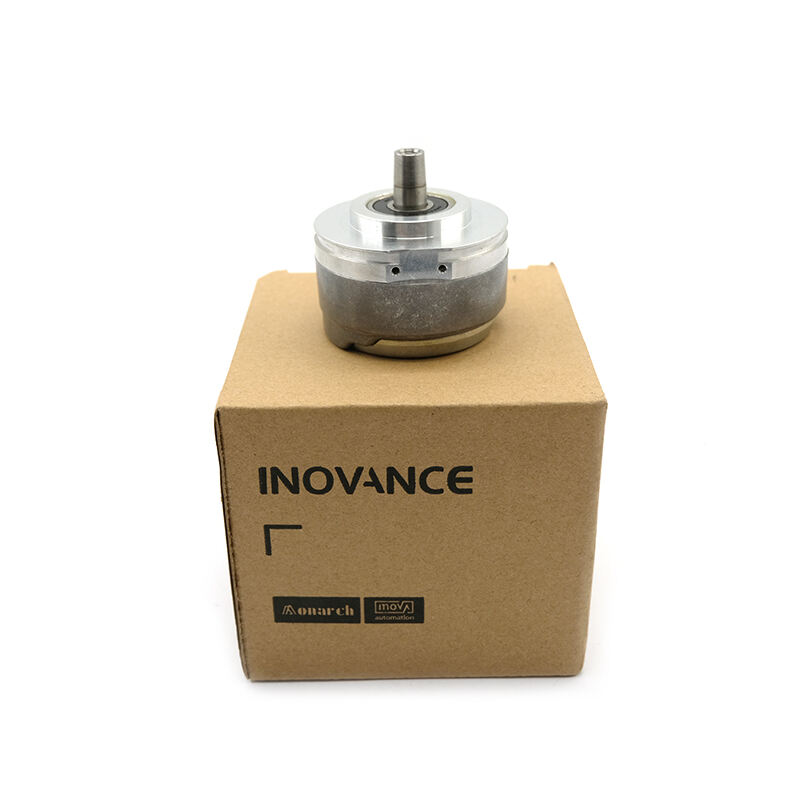
Mechanical installation of the replacement FANUC servo motor encoder involves precise alignment and secure mounting to the motor shaft assembly. Coupling mechanisms must be properly engaged to ensure accurate position feedback transmission without introducing mechanical backlash or binding. Torque specifications for mounting hardware should be followed to prevent component damage while ensuring adequate clamping force for reliable operation.
Cable routing and connection procedures require careful attention to prevent signal interference and mechanical damage. Shielded encoder cables should be routed away from power conductors and high-frequency noise sources. Connector engagement must be verified to ensure reliable electrical connections throughout the operational environment. Proper strain relief installation protects cable assemblies from mechanical stress and premature failure.
Calibration and System Integration
Parameter Configuration
Successful integration of a replacement FANUC servo motor encoder requires configuration of system parameters to match the new component specifications. Servo amplifier settings including pulse count, signal format, and scaling factors must be adjusted to accommodate the replacement encoder characteristics. Control system parameters may require modification to maintain position accuracy and system performance specifications after encoder replacement.
Position reference establishment involves executing homing sequences and reference point calibration procedures. The FANUC servo motor encoder must be properly aligned with mechanical reference positions to ensure accurate absolute positioning capabilities. Software configuration tools provided by FANUC enable parameter adjustment and system optimization for specific application requirements. These calibration procedures are essential for restoring full system functionality.
Performance Verification
Comprehensive testing of the replaced FANUC servo motor encoder validates proper installation and system integration. Position accuracy tests verify that the encoder provides correct feedback signals across the full range of motion. Dynamic performance evaluations assess system response to rapid position changes and velocity commands. These verification procedures confirm that the replacement encoder meets application requirements and system specifications.
Long-term monitoring of encoder performance helps detect potential issues before they impact production operations. Trend analysis of position errors, signal quality, and system alarms provides insights into encoder health and maintenance requirements. Documentation of performance baselines enables comparison with future measurements to assess component degradation over time. This proactive approach supports predictive maintenance strategies and optimal system reliability.
Troubleshooting Common Installation Issues
Signal Quality Problems
Signal quality issues with replacement FANUC servo motor encoder installations often stem from improper cable connections or environmental interference. Oscilloscope analysis of encoder output signals reveals distortion, noise, or amplitude problems that may affect position accuracy. Ground loop elimination and proper cable shielding techniques resolve many signal quality problems encountered during encoder replacement procedures.
Connector integrity verification includes checking for corrosion, bent pins, or inadequate contact pressure that can degrade signal transmission. Cable continuity testing ensures proper conductor connections throughout the signal path. Environmental factors such as electromagnetic interference from nearby equipment may require additional shielding or signal filtering to maintain encoder performance standards.
Mechanical Alignment Challenges
Mechanical alignment problems can cause premature wear and reduced accuracy in FANUC servo motor encoder applications. Shaft misalignment introduces cyclic position errors and may cause bearing damage over time. Proper alignment procedures using precision measurement tools ensure optimal encoder mounting and long-term reliability. Coupling selection and installation techniques significantly impact alignment quality and system performance.
Vibration analysis helps identify mechanical resonances or imbalances that may affect encoder accuracy and longevity. Foundation stability and motor mounting rigidity contribute to overall system precision and encoder reliability. Regular monitoring of mechanical alignment parameters supports preventive maintenance programs and early detection of developing problems that could impact the FANUC servo motor encoder performance.
FAQ
How often should FANUC servo motor encoders be replaced
FANUC servo motor encoder replacement frequency depends on operating conditions, application severity, and environmental factors. Typical encoder lifespan ranges from 5 to 15 years under normal industrial conditions. Harsh environments with high temperatures, contamination, or excessive vibration may require more frequent replacement. Condition monitoring and preventive maintenance programs help optimize replacement timing and minimize unexpected failures.
Can different encoder brands be used as replacements for FANUC servo motors
Alternative encoder brands can potentially replace FANUC servo motor encoders if they meet the same specifications for pulse count, signal format, and mechanical mounting. However, compatibility verification is essential to ensure proper system operation. OEM encoders typically provide the best compatibility assurance, while third-party options may offer cost advantages but require more thorough testing and validation procedures.
What tools are required for FANUC servo motor encoder replacement
Essential tools for FANUC servo motor encoder replacement include precision alignment instruments, oscilloscopes for signal analysis, and standard electrical testing equipment. Mechanical tools such as torque wrenches, coupling pullers, and alignment bars support proper installation procedures. Software configuration tools and programming devices enable parameter setup and system calibration after encoder replacement completion.
How do I verify proper installation of a replacement FANUC servo motor encoder
Proper installation verification involves checking signal quality, position accuracy, and system response characteristics. Oscilloscope measurements of encoder outputs confirm signal amplitude and timing specifications. Position accuracy tests using precision measurement devices validate feedback performance. System alarm monitoring and operational testing under normal load conditions complete the verification process for replacement FANUC servo motor encoder installations.