 EN
EN
Modern manufacturing facilities face increasingly complex challenges when managing variable load conditions across production lines. Heavy duty VFD drives have emerged as the definitive solution for industries requiring robust motor control systems capable of handling demanding operational environments. These sophisticated variable frequency drives deliver exceptional performance while maintaining energy efficiency standards that meet today's stringent industrial requirements. Manufacturing operations depend on reliable motor control solutions that can adapt to changing load conditions without compromising system integrity or operational continuity.
Industrial applications requiring precise motor control benefit significantly from implementing heavy duty VFD drives designed specifically for challenging operational conditions. These drives incorporate advanced control algorithms and robust hardware components that ensure consistent performance across varying load profiles. Manufacturing facilities utilizing these systems experience reduced downtime, improved process control, and enhanced overall equipment effectiveness. The integration of heavy duty VFD drives into existing production lines represents a strategic investment in operational excellence and long-term system reliability.
Understanding Variable Frequency Drive Technology in Industrial Applications
Core Components and Operational Principles
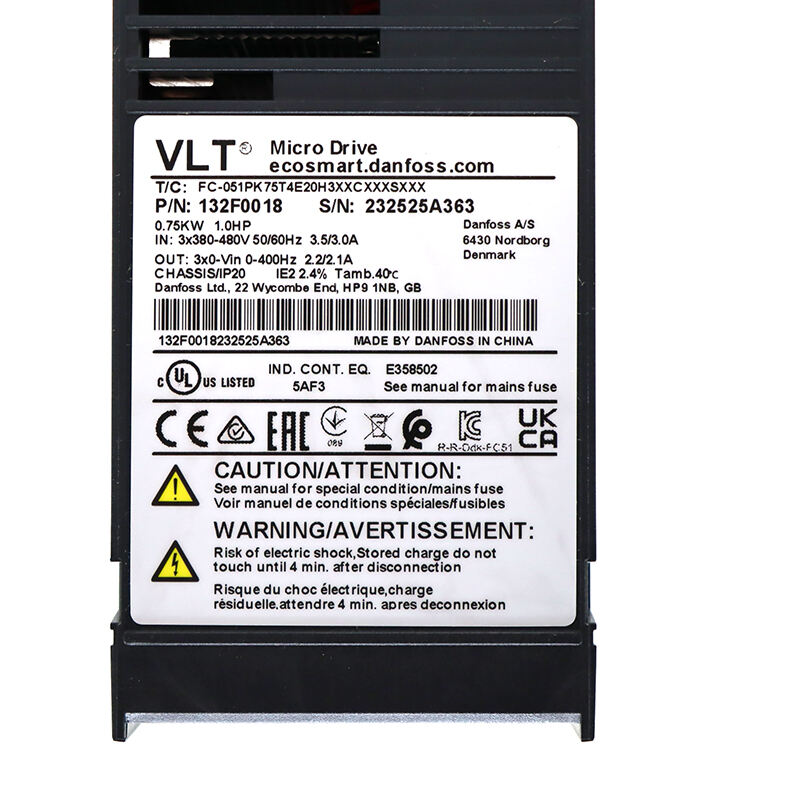
Heavy duty VFD drives operate through sophisticated power conversion processes that transform fixed-frequency alternating current into variable-frequency output. The rectifier section converts incoming AC power to direct current, while the inverter section regenerates controlled AC output with adjustable frequency and voltage characteristics. This fundamental process enables precise motor speed control and torque management across diverse operating conditions. Advanced filtering systems within heavy duty VFD drives minimize harmonic distortion and ensure clean power delivery to connected motor systems.
Modern heavy duty VFD drives incorporate microprocessor-based control systems that provide real-time monitoring and adjustment capabilities. These intelligent systems continuously analyze motor performance parameters and automatically optimize drive output to maintain desired operational characteristics. Temperature monitoring, overcurrent protection, and fault detection systems work together to ensure safe and reliable operation under all operating conditions. The sophisticated control algorithms embedded in heavy duty VFD drives enable seamless integration with existing automation systems and plant management networks.
Power Rating Classifications and Selection Criteria
Selecting appropriate heavy duty VFD drives requires careful consideration of power rating requirements and application-specific operating conditions. Drive power ratings typically range from several kilowatts to megawatt-class systems designed for the most demanding industrial applications. Motor horsepower, operating voltage levels, and expected duty cycles directly influence drive selection criteria and determine optimal system configurations. Heavy duty VFD drives must accommodate peak power demands while maintaining efficiency during normal operating conditions.
Environmental factors significantly impact heavy duty VFD drives selection and installation requirements. Operating temperature ranges, humidity levels, and exposure to corrosive substances influence enclosure ratings and cooling system specifications. Industrial facilities must evaluate ambient conditions and select heavy duty VFD drives with appropriate protection ratings to ensure long-term reliability. Proper drive sizing accounts for both continuous and intermittent load requirements while providing adequate safety margins for unexpected operating conditions.
Advanced Control Features for Variable Load Management
Adaptive Control Algorithms
Heavy duty VFD drives utilize sophisticated adaptive control algorithms that automatically adjust motor parameters based on real-time load conditions. These intelligent systems continuously monitor motor performance characteristics and optimize drive output to maintain consistent operational efficiency. Vector control technology enables precise torque and speed regulation regardless of load variations or system disturbances. Advanced heavy duty VFD drives incorporate machine learning capabilities that improve control accuracy over time through continuous system optimization.
Sensorless vector control technology represents a significant advancement in heavy duty VFD drives design and functionality. These systems eliminate the need for external speed feedback devices while maintaining precise motor control across all operating conditions. Flux vector control algorithms calculate motor position and speed information using advanced mathematical models and real-time current measurements. This approach reduces system complexity and maintenance requirements while improving overall system reliability and performance.
Energy Optimization and Efficiency Features
Modern heavy duty VFD drives incorporate advanced energy optimization features that significantly reduce power consumption compared to traditional motor control methods. Automatic energy optimization algorithms continuously adjust motor operation to minimize power usage while maintaining required performance levels. These systems can achieve energy savings of 20-50% in applications with variable load conditions. Heavy duty VFD drives with regenerative capabilities can return energy to the electrical system during deceleration or overhauling load conditions.
Sleep mode functionality in heavy duty VFD drives automatically reduces system power consumption during periods of minimal load demand. These intelligent systems monitor process requirements and temporarily reduce motor speed or enter standby mode when full power operation is unnecessary. Wake-up algorithms ensure rapid response to changing load conditions while maintaining energy efficiency during idle periods. Advanced power factor correction capabilities in heavy duty VFD drives improve overall electrical system efficiency and reduce utility demand charges.
Installation and Integration Considerations
Electrical Infrastructure Requirements
Proper installation of heavy duty VFD drives requires careful evaluation of existing electrical infrastructure and potential upgrade requirements. Power supply capacity, voltage stability, and harmonic distortion levels directly impact drive performance and system reliability. Electrical contractors must assess incoming power quality and implement appropriate line conditioning equipment when necessary. Heavy duty VFD drives may require dedicated transformers or power factor correction equipment to ensure optimal operating conditions.
Grounding systems play a critical role in heavy duty VFD drives installation and safe operation. Proper grounding techniques minimize electromagnetic interference and ensure personnel safety during maintenance activities. Cable routing and shielding requirements must be carefully planned to prevent interference with sensitive control systems and communication networks. Heavy duty VFD drives installations benefit from dedicated cable trays and appropriate separation distances from other electrical equipment.
Integration with Automation Systems
Modern manufacturing facilities require seamless integration between heavy duty VFD drives and existing automation systems. Communication protocols such as Ethernet/IP, Profibus, and Modbus enable real-time data exchange between drives and plant control systems. Advanced integration capabilities allow centralized monitoring and control of multiple drive systems from a single operator interface. These communication networks provide access to detailed operational data and enable predictive maintenance strategies.
Human-machine interface integration allows operators to monitor and control heavy duty VFD drives through intuitive graphical displays. These systems provide real-time operational data, alarm notifications, and system status information that enables proactive maintenance and troubleshooting. Advanced diagnostic capabilities help maintenance personnel quickly identify and resolve system issues before they impact production operations. Integration with enterprise resource planning systems enables comprehensive tracking of equipment performance and maintenance history.
Maintenance and Reliability Optimization
Preventive Maintenance Strategies
Implementing comprehensive preventive maintenance programs significantly extends heavy duty VFD drives service life and reduces unexpected downtime. Regular inspection schedules should include visual examination of cooling systems, electrical connections, and control components. Temperature monitoring and vibration analysis help identify developing issues before they result in system failures. Heavy duty VFD drives benefit from periodic calibration and parameter verification to ensure optimal performance characteristics.
Cooling system maintenance represents a critical aspect of heavy duty VFD drives reliability programs. Regular cleaning of heat sinks, fans, and air filters prevents thermal-related failures and maintains optimal operating temperatures. Bearing lubrication schedules and replacement programs ensure continued reliability of cooling system components. Environmental monitoring helps identify conditions that may accelerate component aging or reduce system reliability in heavy duty VFD drives installations.
Troubleshooting and Diagnostic Capabilities
Advanced diagnostic capabilities in modern heavy duty VFD drives enable rapid identification and resolution of system issues. Built-in fault detection algorithms continuously monitor system parameters and provide detailed alarm information when abnormal conditions occur. Historical data logging capabilities allow maintenance personnel to analyze system trends and identify potential issues before they impact operations. Remote diagnostic capabilities enable expert technical support without requiring on-site visits.
Parameter backup and restoration features in heavy duty VFD drives simplify replacement procedures and reduce downtime during maintenance activities. These systems automatically store configuration data and enable rapid system restoration following component replacement or system upgrades. Version control capabilities track parameter changes and allow restoration of previous configurations when necessary. Advanced heavy duty VFD drives incorporate self-diagnostic routines that verify system integrity and identify potential issues during startup sequences.
Industry Applications and Performance Benefits
Manufacturing Process Applications
Heavy duty VFD drives excel in manufacturing applications requiring precise control over variable load conditions. Conveyor systems, pumping applications, and material handling equipment benefit significantly from the advanced control capabilities these systems provide. Process industries utilize heavy duty VFD drives for applications such as mixing, crushing, and separation processes where load conditions vary significantly throughout operational cycles. These drives enable optimal process control while minimizing energy consumption and equipment wear.
Textile manufacturing facilities rely on heavy duty VFD drives for spinning, weaving, and finishing processes that require precise speed control and tension management. Paper and pulp industries utilize these systems for stock preparation, forming, and finishing operations where consistent quality depends on accurate motor control. Heavy duty VFD drives provide the reliability and performance characteristics necessary for continuous operation in demanding industrial environments while maintaining product quality standards.
Performance Advantages and ROI Considerations
Investment in heavy duty VFD drives typically generates significant return on investment through reduced energy consumption, decreased maintenance costs, and improved process efficiency. Energy savings alone often justify system costs within 12-18 months of installation in appropriate applications. Reduced mechanical stress on driven equipment extends component life and reduces replacement costs throughout system operational life. Heavy duty VFD drives enable soft starting capabilities that eliminate mechanical shock and extend equipment service life.
Process control improvements achievable with heavy duty VFD drives often result in increased product quality and reduced waste generation. Precise speed and torque control enable optimization of manufacturing processes and consistent product characteristics. Remote monitoring and control capabilities reduce labor requirements and enable centralized operation of multiple process lines. These operational improvements contribute to overall plant efficiency and profitability while reducing environmental impact through optimized resource utilization.
FAQ
What factors should be considered when selecting heavy duty VFD drives for industrial applications
Selection of heavy duty VFD drives requires evaluation of motor horsepower requirements, operating voltage levels, and expected duty cycles. Environmental conditions including temperature, humidity, and exposure to contaminants influence enclosure selection and protection requirements. Load characteristics such as constant torque, variable torque, or regenerative applications determine appropriate drive control algorithms and sizing criteria. Communication requirements and integration with existing automation systems also impact drive selection decisions.
How do heavy duty VFD drives improve energy efficiency in manufacturing operations
Heavy duty VFD drives improve energy efficiency by matching motor output to actual load requirements rather than operating at fixed speed conditions. Automatic energy optimization algorithms continuously adjust motor parameters to minimize power consumption while maintaining required performance levels. Sleep mode functionality reduces power consumption during periods of low demand, while regenerative capabilities return energy to the electrical system during appropriate operating conditions. These features typically result in energy savings of 20-50% compared to traditional motor control methods.
What maintenance requirements are necessary for heavy duty VFD drives
Regular maintenance of heavy duty VFD drives includes inspection and cleaning of cooling systems, verification of electrical connections, and calibration of control parameters. Cooling system maintenance involves cleaning heat sinks, replacing air filters, and lubricating fan bearings according to manufacturer schedules. Periodic parameter backup and system diagnostics help identify developing issues before they impact operations. Environmental monitoring and protection system verification ensure continued reliability under challenging operating conditions.
Can heavy duty VFD drives integrate with existing plant automation systems
Modern heavy duty VFD drives support multiple communication protocols including Ethernet/IP, Profibus, Modbus, and other industrial networking standards. These systems enable real-time data exchange with plant control systems and provide access to operational parameters, alarm conditions, and diagnostic information. Human-machine interface integration allows centralized monitoring and control through existing operator stations. Advanced systems support integration with enterprise resource planning software for comprehensive equipment management and maintenance tracking.
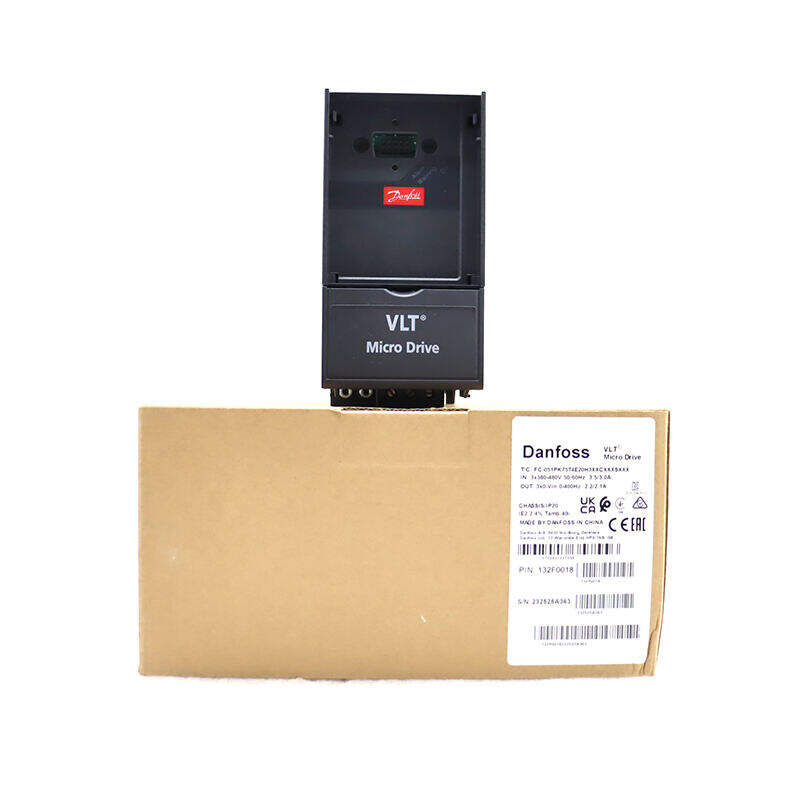
Table of Contents
- Understanding Variable Frequency Drive Technology in Industrial Applications
- Advanced Control Features for Variable Load Management
- Installation and Integration Considerations
- Maintenance and Reliability Optimization
- Industry Applications and Performance Benefits
-
FAQ
- What factors should be considered when selecting heavy duty VFD drives for industrial applications
- How do heavy duty VFD drives improve energy efficiency in manufacturing operations
- What maintenance requirements are necessary for heavy duty VFD drives
- Can heavy duty VFD drives integrate with existing plant automation systems