 EN
EN
Understanding the Critical Functions of I/O Modules in Modern Automation Systems
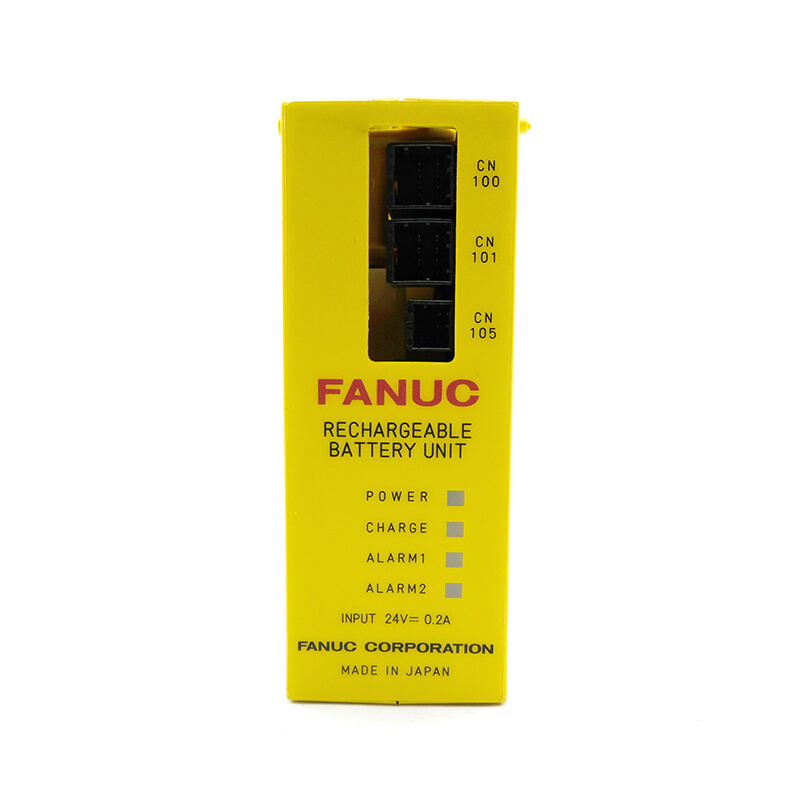
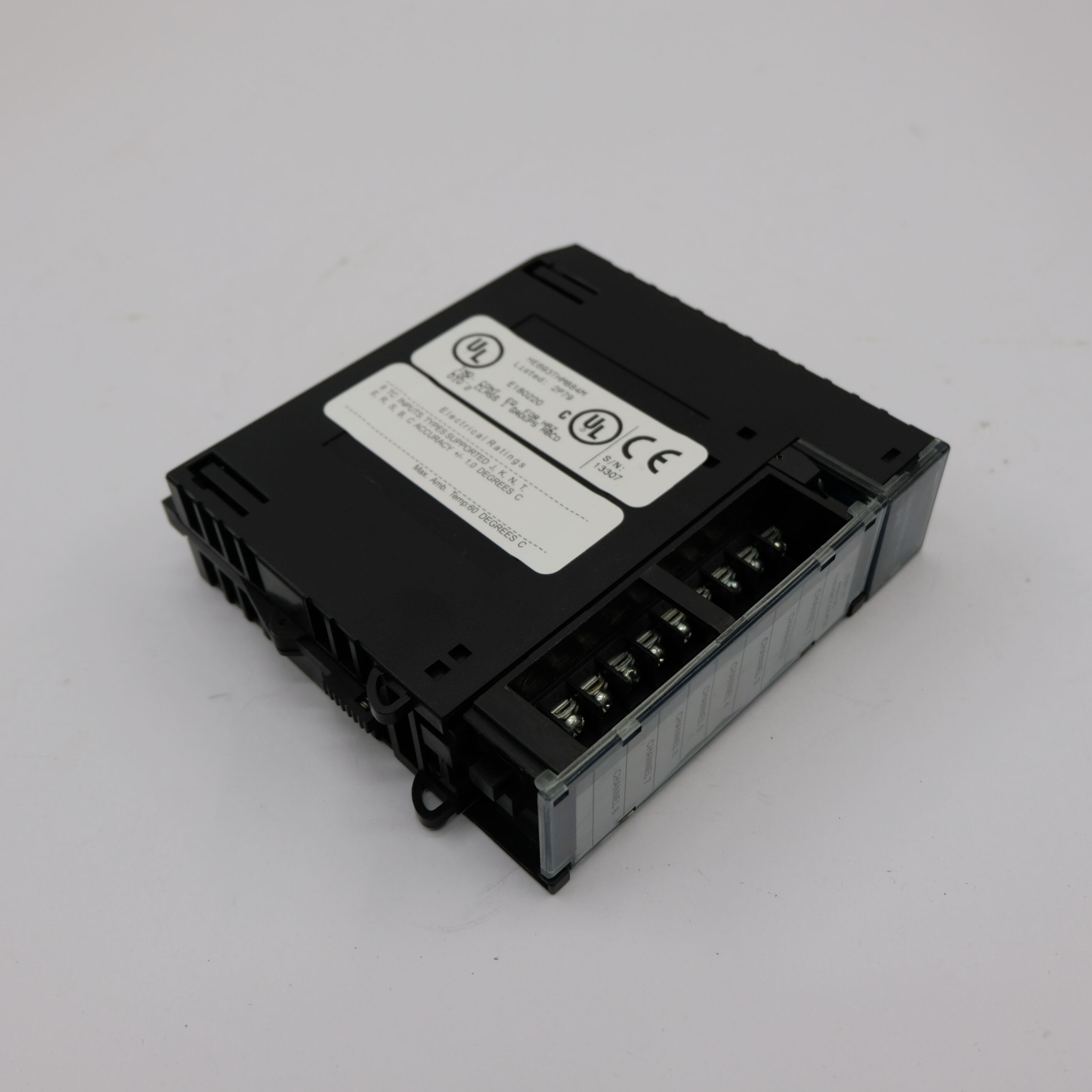
In the world of industrial automation, I/O modules serve as the vital bridge between the physical and digital realms. These essential components act as the nervous system of automated processes, enabling seamless communication between controllers and various field devices. By facilitating the exchange of signals and data, I/O modules form the backbone of any automated system, from simple manufacturing processes to complex industrial operations.
The significance of I/O modules cannot be overstated, as they transform raw electrical signals into meaningful data that automation systems can interpret and act upon. Whether it's reading sensor inputs or controlling actuators, these modules ensure precise and reliable operation of automated equipment, making them indispensable in today's smart manufacturing landscape.
Core Components and Architecture of I/O Modules
Signal Processing and Conversion Systems
At the heart of every I/O module lies sophisticated signal processing circuitry. These systems handle the conversion between analog and digital signals, ensuring accurate representation of physical measurements and control commands. The processing components include analog-to-digital converters (ADC) for input modules and digital-to-analog converters (DAC) for output modules, working in concert to maintain signal integrity and precision.
Modern I/O modules incorporate advanced filtering and conditioning circuits that eliminate noise and interference, ensuring reliable data transmission even in harsh industrial environments. This robust design helps maintain the accuracy of measurements and the reliability of control signals, critical for maintaining production quality and system safety.
Communication Interfaces and Protocols
I/O modules support various communication protocols and interfaces, enabling seamless integration with different automation systems. These interfaces range from traditional fieldbus protocols to modern industrial Ethernet standards, providing flexibility in system design and implementation. The communication components ensure rapid and reliable data exchange between the module and the control system, maintaining real-time operation capabilities.
Advanced I/O modules often feature multiple communication ports and protocol support, allowing them to serve as protocol converters or gateways in hybrid systems. This versatility makes them valuable in modernization projects where new automation equipment must coexist with legacy systems.
Types and Applications of I/O Modules
Digital I/O Modules
Digital I/O modules handle discrete signals, working with binary states that represent on/off, open/closed, or true/false conditions. These modules are fundamental in controlling basic automation functions like actuating solenoids, reading limit switches, or monitoring emergency stop buttons. Their simplicity and reliability make them ideal for applications requiring clear-cut decision-making and control.
The latest digital I/O modules feature high-speed switching capabilities, built-in diagnostics, and configurable parameters that enhance their functionality. These advanced features enable precise timing control, fault detection, and flexible operation modes, supporting sophisticated automation sequences.
Analog I/O Modules
Analog I/O modules manage continuous variable signals, essential for processes involving measurements like temperature, pressure, flow, or speed control. These modules provide high-resolution signal conversion, ensuring accurate representation of process variables and precise control outputs. Their ability to handle varying signal ranges and types makes them versatile components in process automation applications.
Modern analog modules incorporate features like automatic calibration, signal scaling, and advanced filtering options. These capabilities simplify system configuration while improving measurement accuracy and noise immunity, critical factors in maintaining process quality and stability.
System Integration and Implementation Considerations
Installation and Configuration Requirements
Proper installation of I/O modules demands careful attention to environmental conditions, power requirements, and signal wiring practices. Considerations include proper grounding, shield termination, and separation of signal types to prevent interference. The physical layout must also account for heat dissipation and maintenance access, ensuring long-term reliability and serviceability.
Configuration involves setting appropriate parameters for signal ranges, filtering, scaling, and communication settings. Modern I/O modules often provide software tools that simplify this process, offering intuitive interfaces for parameter adjustment and monitoring.
Maintenance and Troubleshooting Strategies
Effective maintenance of I/O modules requires regular monitoring of performance metrics and diagnostic indicators. Predictive maintenance strategies can help identify potential issues before they cause system failures, while built-in diagnostics facilitate rapid troubleshooting when problems occur.
Advanced monitoring tools and remote access capabilities enable maintenance teams to track module health, analyze performance trends, and respond quickly to abnormal conditions. This proactive approach helps minimize downtime and maintain system reliability.
Future Trends and Technological Advances
Smart I/O Technologies
The evolution of I/O modules continues with the integration of smart features and advanced processing capabilities. Modern modules increasingly incorporate edge computing capabilities, enabling local data processing and decision-making. This distributed intelligence helps reduce network load and improves system response times.
Smart I/O modules also feature advanced diagnostic capabilities, predictive maintenance algorithms, and enhanced cybersecurity features. These innovations contribute to more reliable and secure automation systems, ready for the challenges of Industry 4.0.
Integration with Industrial IoT
The convergence of I/O modules with Industrial Internet of Things (IIoT) technologies is opening new possibilities in automation. Modern modules support direct cloud connectivity, enabling real-time data sharing and analytics at enterprise levels. This integration facilitates advanced monitoring, analysis, and optimization of industrial processes.
Future developments will likely see increased adoption of wireless I/O solutions, enhanced security features, and greater integration with artificial intelligence and machine learning systems. These advances will further expand the capabilities and applications of I/O modules in industrial automation.
Frequently Asked Questions
How do I select the right I/O module for my automation system?
Selecting the appropriate I/O module requires careful consideration of several factors, including the type of signals to be processed, required response time, environmental conditions, communication protocol requirements, and system architecture. Consider also the module's diagnostic capabilities, expandability options, and long-term support availability.
What maintenance schedule is recommended for I/O modules?
Regular maintenance should include visual inspections of connections and hardware condition, verification of signal accuracy, and review of diagnostic data at least quarterly. However, specific maintenance intervals depend on the operating environment, application criticality, and manufacturer recommendations.
Can I/O modules be hot-swapped during operation?
Many modern I/O modules support hot-swapping capabilities, allowing replacement without powering down the entire system. However, this feature depends on the specific module design and system architecture. Always consult the manufacturer's documentation and follow proper safety procedures when performing hot-swap operations.