 EN
EN
Feedback-Driven Motor Control as a Basis for Energy Efficiency
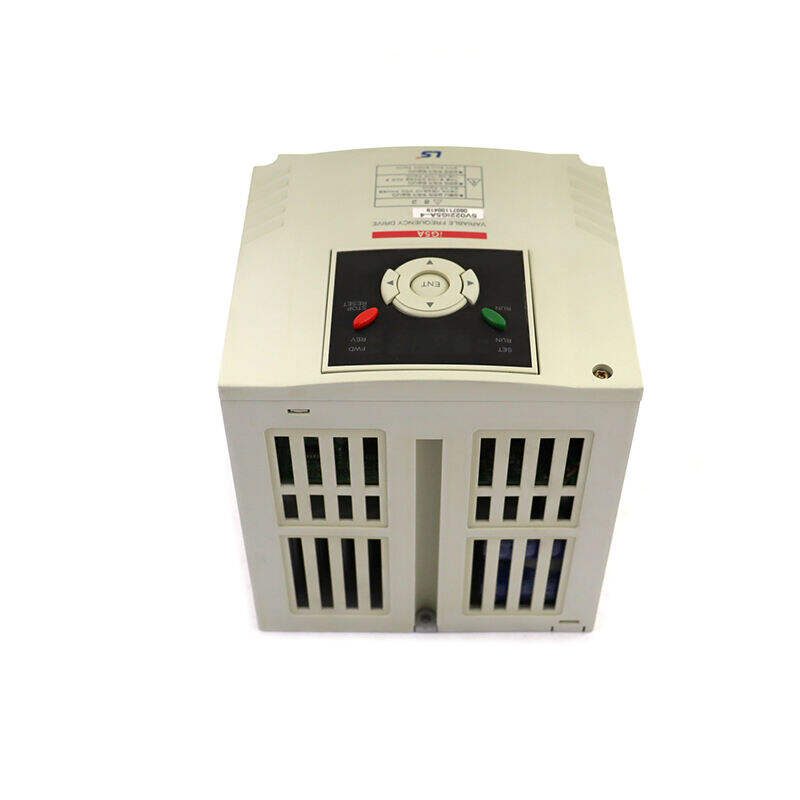
In modern industrial automation, improving motor efficiency is no longer only about selecting high-quality motors or installing advanced control hardware. True efficiency comes from how accurately a motor’s behavior is measured, adjusted, and stabilized during operation. This is where the rotary encoder becomes a critical component. When combined with VFD drives, the rotary encoder provides precise feedback on speed, position, and direction, enabling motors to operate closer to their optimal performance range. By integrating a rotary encoder into VFD-controlled systems, industries gain finer control, lower energy consumption, and more predictable motor behavior across a wide range of operating conditions.
Relationship Between VFD Drives and Rotary Encoder Feedback
Closed-loop control enabled by rotary encoder signals
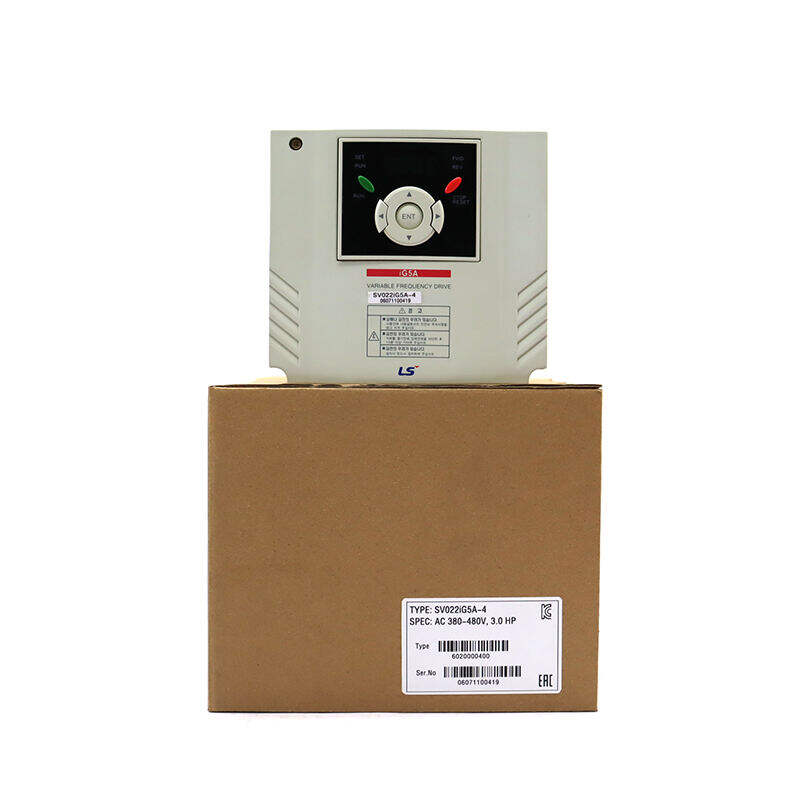
VFD drives regulate motor speed by adjusting voltage and frequency, but without feedback, control accuracy is limited. A rotary encoder closes this control loop by continuously reporting real motor speed and rotation data. With rotary encoder feedback, the VFD can compare actual motor behavior with target parameters and make instant corrections.
This closed-loop approach prevents speed drift caused by load changes, voltage fluctuations, or mechanical wear. As a result, motors maintain stable operation even under varying process demands. The rotary encoder ensures that energy is not wasted compensating for uncontrolled deviations, which directly improves overall motor efficiency.
Synchronization between motor load and drive output
Industrial motors rarely operate under constant load. Conveyors, pumps, mixers, and fans all experience dynamic load variations. A rotary encoder allows the VFD drive to detect subtle changes in rotational speed caused by load shifts. Based on this feedback, the drive adjusts torque output precisely rather than overcompensating.
This synchronization between motor load and drive output reduces unnecessary power draw. The rotary encoder helps the system deliver only the energy required for the task, minimizing losses and preventing excessive current consumption that can shorten motor lifespan.
Rotary Encoder Contribution to Speed Regulation Accuracy
Precise speed measurement under variable conditions
Accurate speed measurement is essential for efficient motor control. A rotary encoder provides high-resolution pulse or absolute position data that reflects true shaft rotation. This allows the VFD to regulate speed with much tighter tolerances compared to sensorless control methods.
In applications such as pumps and compressors, even small speed inaccuracies can lead to significant energy waste. By relying on rotary encoder feedback, VFD drives maintain exact speed levels, ensuring motors operate at their most efficient point rather than running faster or slower than required.
Stable operation at low speeds and high torque
Low-speed operation is often challenging for VFD-driven motors, especially under high load. Without feedback, motors may stall, vibrate, or draw excessive current. A rotary encoder enables accurate low-speed monitoring, allowing the drive to apply just enough torque to maintain motion.
This capability is critical in applications like hoists, extruders, and positioning systems. The rotary encoder ensures smooth, controlled motion at low speeds, reducing energy spikes and preventing mechanical stress that can reduce efficiency over time.
Energy Savings Achieved Through Encoder-Based Control
Reduced power consumption during partial load operation
Many industrial motors operate at partial load for significant portions of their duty cycle. VFD drives already improve efficiency by matching motor speed to process demand, but rotary encoder feedback refines this adjustment further. By confirming actual speed and load response, the encoder prevents overdriving the motor.
This precise regulation translates into measurable energy savings. Motors consume less power when they are not forced to compensate for inaccurate speed control, and the rotary encoder ensures that efficiency gains are sustained across changing operating conditions.
Minimization of mechanical and electrical losses
Mechanical losses often arise from oscillation, vibration, or inefficient torque application. Electrical losses occur when motors draw more current than necessary. A rotary encoder helps mitigate both by enabling smoother acceleration, deceleration, and steady-state operation.
With accurate encoder feedback, VFD drives can optimize control algorithms to reduce harmonics and torque ripple. This balanced operation lowers heat generation and reduces energy losses within both the motor and the drive system.
Rotary Encoder Impact on Motor Lifespan and Efficiency
Reduced thermal stress through accurate control
Excessive heat is one of the main causes of motor inefficiency and failure. When motors operate inefficiently, they generate heat due to unnecessary current draw or mechanical strain. A rotary encoder allows the VFD to maintain optimal operating conditions, reducing thermal buildup.
Lower operating temperatures improve motor efficiency and extend component life. Bearings, windings, and insulation benefit from reduced stress, making the rotary encoder an indirect contributor to long-term energy efficiency.
Consistent performance across extended duty cycles
Industrial motors often run continuously for long periods. Over time, small inefficiencies compound into significant energy waste. Rotary encoder feedback ensures consistent performance throughout extended duty cycles by maintaining precise speed and torque control.
This consistency prevents gradual performance degradation that can occur when control systems rely solely on estimated motor behavior. The rotary encoder provides real-time data that keeps efficiency stable day after day.
Integration of Rotary Encoder with VFD Systems
Compatibility with industrial communication protocols
Modern rotary encoder designs support a wide range of signal outputs and communication protocols, allowing seamless integration with VFD drives. Whether using incremental signals, absolute values, or serial communication, the encoder delivers data that the drive can process efficiently.
This compatibility simplifies system design and ensures that encoder feedback is utilized fully by the drive. Accurate data exchange between the rotary encoder and VFD is essential for achieving precise motor control and energy optimization.
Mechanical mounting and alignment considerations
Proper installation is critical for reliable rotary encoder performance. Encoders must be aligned accurately with motor shafts to ensure consistent signal output. Poor alignment can introduce measurement errors that reduce control accuracy and efficiency.
Industrial rotary encoder designs offer flexible mounting options, including shaft-mounted and hollow-shaft configurations. These options make it easier to integrate encoders into existing motor systems without compromising mechanical stability or performance.
Application Scenarios Where Rotary Encoder Enhances VFD Efficiency
Pump, fan, and HVAC motor systems
In pump and fan applications, energy consumption is closely tied to speed control. A rotary encoder provides precise feedback that allows VFD drives to regulate flow and pressure efficiently. This prevents motors from running faster than necessary and reduces energy waste.
HVAC systems benefit similarly. Accurate encoder feedback ensures stable airflow and temperature control, improving comfort while minimizing power consumption.
Conveyors, hoists, and material handling equipment
Material handling systems rely on consistent speed and positioning. Rotary encoder feedback allows VFD drives to maintain smooth conveyor motion and precise hoist control. This reduces mechanical shock and improves energy efficiency during start-stop cycles.
In these applications, encoder-based control also improves safety and load handling accuracy, further enhancing overall system performance.
Operational Stability and Process Optimization
Improved process consistency through encoder feedback
Consistent motor behavior leads to consistent process outcomes. A rotary encoder enables VFD drives to maintain exact speed profiles, ensuring uniform product handling and processing. This consistency reduces rework and scrap, indirectly improving energy efficiency by eliminating wasted production.
Stable operation also simplifies process tuning. Engineers can rely on encoder feedback to fine-tune control parameters, achieving optimal performance without excessive trial and error.
Reduced downtime and corrective interventions
Unexpected motor behavior often leads to downtime and manual intervention. Rotary encoder feedback helps detect deviations early, allowing corrective action before failures occur. This proactive control minimizes disruptions and keeps motors operating efficiently.
Reduced downtime also means fewer restart cycles, which are typically energy-intensive. The rotary encoder supports smooth, continuous operation that conserves energy over time.
Table of Contents
- Feedback-Driven Motor Control as a Basis for Energy Efficiency
- Relationship Between VFD Drives and Rotary Encoder Feedback
- Rotary Encoder Contribution to Speed Regulation Accuracy
- Energy Savings Achieved Through Encoder-Based Control
- Rotary Encoder Impact on Motor Lifespan and Efficiency
- Integration of Rotary Encoder with VFD Systems
- Application Scenarios Where Rotary Encoder Enhances VFD Efficiency
- Operational Stability and Process Optimization